Why You Should Store Wine Horizontally
Wine Storage: Horizontal or Vertical?
For wine lovers and especially for restaurants, hotels or wine bars, proper storage is fundamental to preserving a wines quality, flavor, and value. One of the most debated aspects of wine storage is whether bottles should be stored horizontally or vertically. Most experts take a clear stand in the debate: wine should be stored horizontally. However, that must not always be the case. Let’s uncork the reasons behind each method.
Why Horizontal Storage?
Horizontal storage is considered the gold standard for wine, especially for bottles sealed with natural corks. Here's why:
- Maintaining Cork Integrity: When wine is stored horizontally, the liquid inside the bottle stays in contact with the cork. This keeps the cork moist and prevents it from drying out. A dry cork can shrink, allowing oxygen to seep into the bottle and spoil the wine.
- Space Efficiency: Wine racks and cellars are often designed for horizontal storage, maximizing space and making it easier to organize and access a wine collection.
- Consistency in Aging: For wines meant to age, horizontal storage helps ensure that sediments settle evenly, preserving the intended flavor and texture. Furthermore, when a bottle is stored horizontally, the wine has more contact with oxygen, allowing it to develop better.
What About Vertical Storage?
While vertical storage has its place, it is typically less ideal for long-term storage. Bottles sealed with screw caps or synthetic corks can be stored vertically without concern for cork drying. Here’s when vertical storage works best:
- Short-Term Convenience: If you plan to drink the wine soon, storing it vertically makes it easier to read labels and access the bottle.
- For Modern Closures: Synthetic corks and screw caps don’t require moisture to maintain their seal. Therefore, vertical storage won't compromise the wine’s quality.
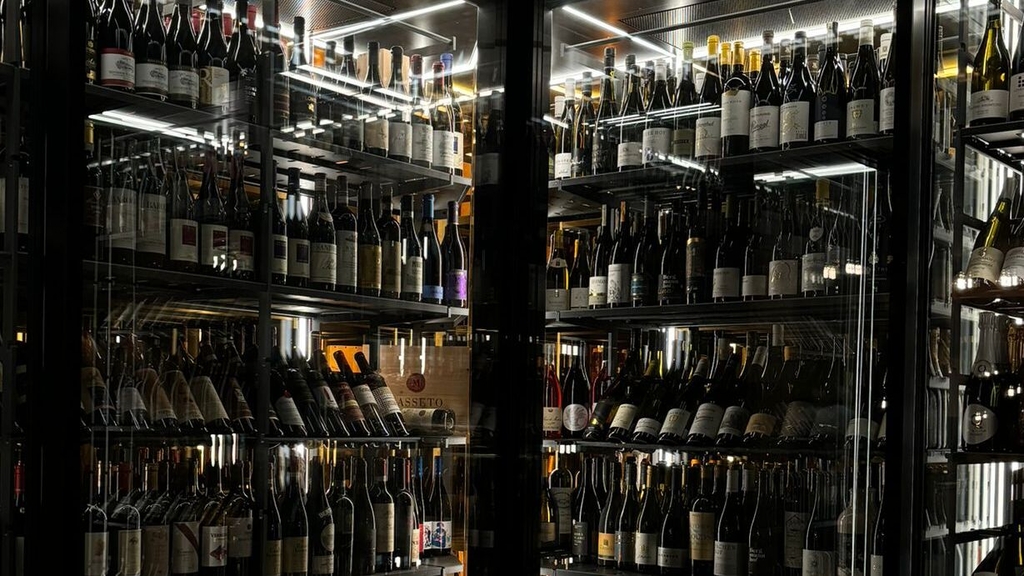
- In Wine Shops and Displays: Certain environments often display wines vertically for visibility and aesthetics. However, this setup isn’t intended for prolonged storage.
The Middle Ground: Angled Storage
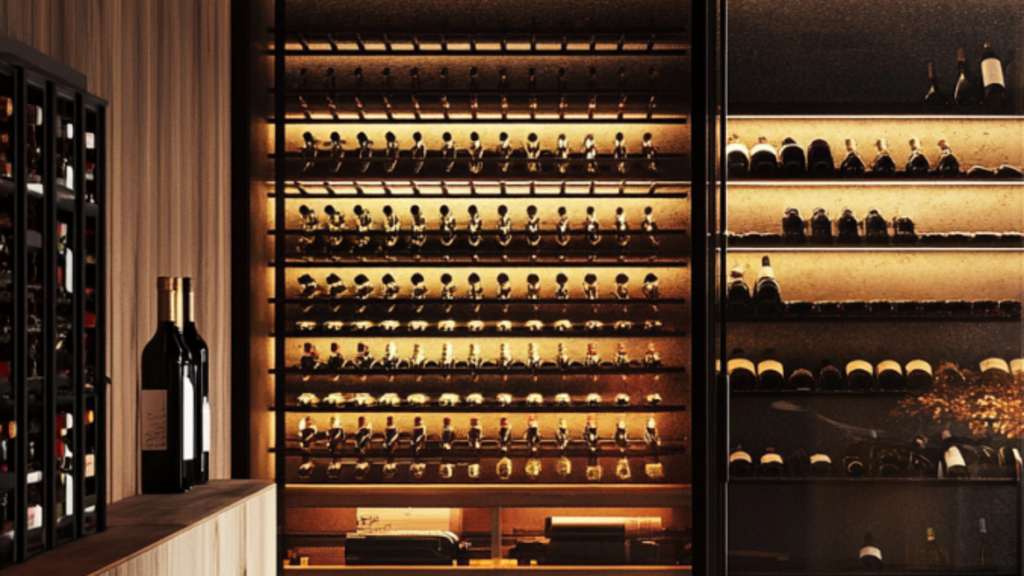
Angled wine racks offer a practical balance between horizontal and vertical storage. By tilting the bottle slightly downward, angled storage ensures that the wine stays in contact with the cork. This moisture prevents the cork from drying out and compromising the seal, which is vital for long-term preservation.
At the same time, the gentle incline allows labels to remain visible, making it easier to organize and showcase a wine collection. Angled storage is particularly beneficial for establishments who want a functional yet aesthetically pleasing way to store their wines. However, the key to angled storage is precision. Too steep an angle can cause air to pool at the top of the bottle, potentially leading to oxidation. A slight tilt—just enough to keep the cork moist—is ideal.
Key Factors to Consider Regardless of Orientation
Regardless of whether you choose horizontal or vertical storage, other environmental factors play a significant role in wine preservation:
- Temperature
- Humidity
- Light protection
- Ventilation
- Tranquility
In this blog article, we covered the most important factors to consider when storing wine in more detail.
For most people and establishments, horizontal storage remains the best option for long-term preservation, especially for bottles with natural corks. However, vertical storage works for short-term use and wines with modern closures. By considering the type of wine and its intended storage duration, you can ensure that your collection remains in pristine condition, ready to deliver the perfect pour.
Cheers! 🍷