Wine Cellar Inventory: Duty or Blessing?
New Year, Same Inventory

The wine cellar inventory. The very word likely evokes negative associations for most restaurateurs and hoteliers. However, even though the task may seem cumbersome, it is an essential part of a successful business.
A Necessary but mostly unpopular Task
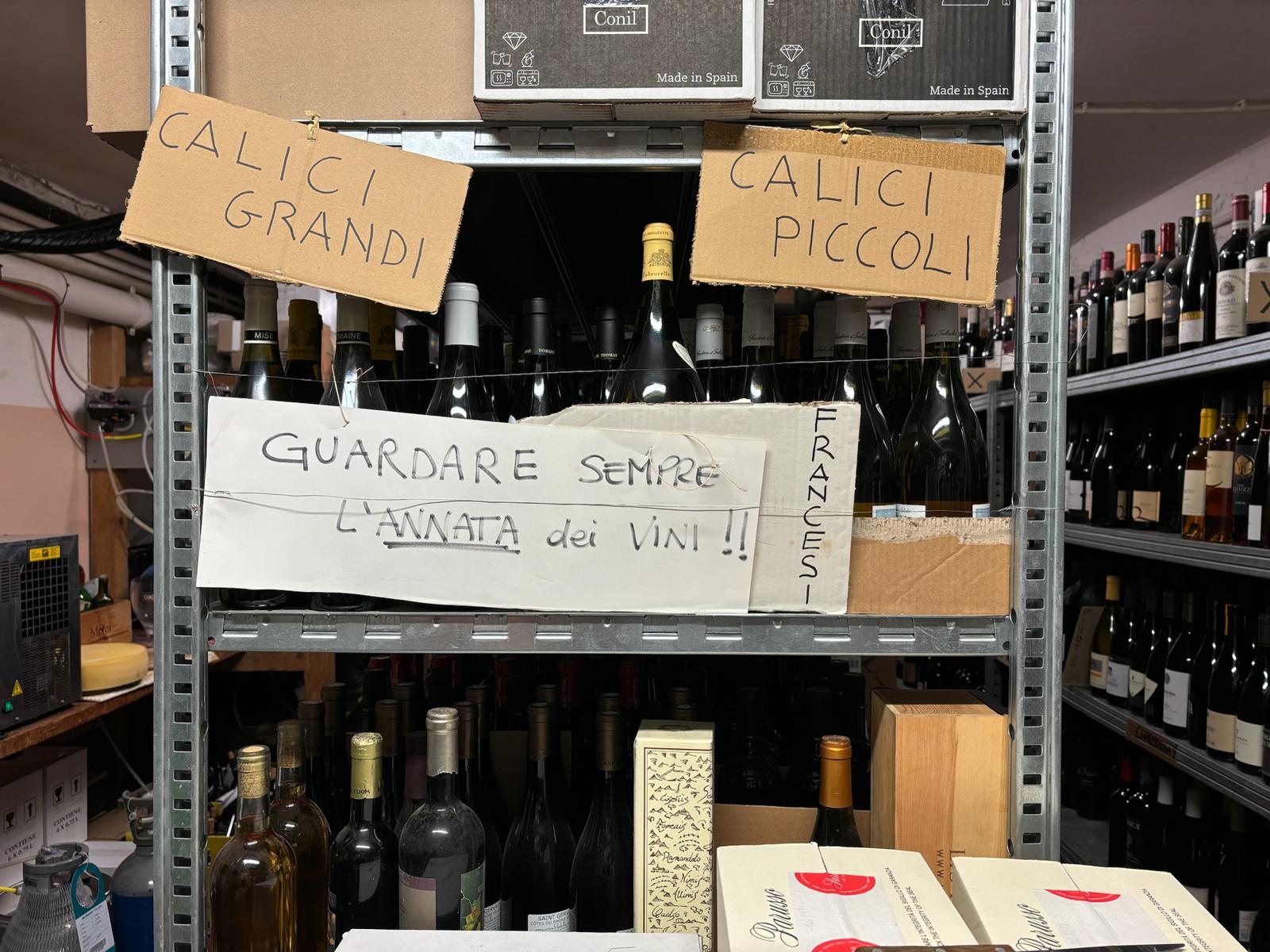
Doing inventory in wine cellars doesn’t have the best reputation. Why? Simply because it costs time, patience, and precision. It often means spending hours or even days counting, sorting, and manually recording wine bottles in the wine cellar.
A silver lining: during the inventory process, forgotten botlles are often uncovered, older stocks are sorted out (often turned into delicious sauces), or wines that have been waiting a long time are rediscovered. However, it remains a task many prefer to delegate to employees or delay.
Why Inventory Is Essential
Whether mandatory or voluntary – doing inventory is essential. Here are some reasons why:
- Legal Requirements: Generally, the annual wine cellar inventory is required by law and mandatory for businesses. For example, Swiss wine regulations stipulate that businesses must report their stocks by January 31 of the following year. Specifically, the obligation to prepare an inventory is part of the obligation to determine annual profits by preparing a balance sheet and profit and loss statement.
- Economic Control: Without doing inventory properly, there is a lack of transparency: How many bottles of a particular wine are left, and what is actually stored in the wine cellar? How many bottles have been sold? Which bottles have been sitting unused in the cellar for years? A well-maintained inventory is not only the foundation for accurate calculations and reorderings, but also provides insight into cellar rotation and more.
- Preventing Loss and Waste: Doing inventory regularly helps identifying which wines sell well and which only take up space in the cellar. Regular stock checks can also help prevent or discover possible theft.
How Inventory Is Done
There are different methods to conduct an inventory – each with its advantages and disadvantages, depending on the size of the wine cellar and the requirements:
- Pen and Paper: The traditional method is used by many hotels and restaurants today: employees go into the cellar with a list or even the printed wine list and manually count each bottle. This method not only requires a lot of time but also carries a high risk of errors, whether due to illegible notes or incorrect counting. Especially in larger cellars, this quickly becomes a tedious and time-consuming task. However, this method has the advantage that it doesn't require technical infrastructure – a suitable option for very small businesses with manageable stock.
- Excel Spreadsheets: Many businesses use Excel to at least partially digitize doinginventory. After counting, the stock is entered into a table, which can later be adjusted and analyzed. This method is an improvement over paper records but still involves a significant amount of manual work. Any change in stock – whether a reorder or a sale – must be manually entered. The larger the wine cellar, the more error-prone and time-consuming this method becomes.
- Inventory Management Systems, Platforms, and Apps: For extensive wine cellars, modern software solutions are the most efficient for managing a wine cellar. These tools significantly reduce manual effort and enable automated stock control, often combined with various additional features. This article provides an overview and comparison of modern tools for cellar management.
How to Make Inventory Easier
Organization is the key to success. A structured approach makes the work much easier. Organize your cellar logically, such as by origin regions, vintages, or grape varieties. This helps not only with counting but also with later use and the quick retrieval of specific bottles.
Regular stock checks help reduce the large time investment at the end of the year. Many businesses only perform inventory once a year – often associated with a significant time investment. Others have realized that regular inventories, such as monthly or seasonally, are more efficient and less time-consuming. They prevent sold-out wines and orders from guests for wines no longer available, ensuring accurate availability on the wine list.
The key is finding the right method for your business. A well-maintained and organized Excel sheet can be sufficient for smaller wine cellars. Often, investing in a tool for managing the wine cellar is only worthwhile with larger stock.
An insight from Vinoteqa: Always stay on top of things. Especially with large wine collections, a continuously and automatically maintained stock overview helps you make the most of your cellar. Whether it’s better service to guests, higher sales, or optimized rotation in the cellar.
A deep dive into your Wine Cellar
Even though doing inventory is often seen as a tiresome duty, it is truly a valuable opportunity to take a closer look at your wine cellar. With continuous stock control, unnecessary costs can be avoided, and the right wines can be offered to guests at the optimal time.
Whether pen and paper, Excel table, or software solution – each approach to inventory has its own pros and cons. Feel free to share your thoughts and ideas with us at info@vinoteqa.com.
Cheers! 🍷